















After a crash, you need three answers: who pays your medical bills, who owes you for the rest, and what not to say while that gets sorted out. This page covers all three.
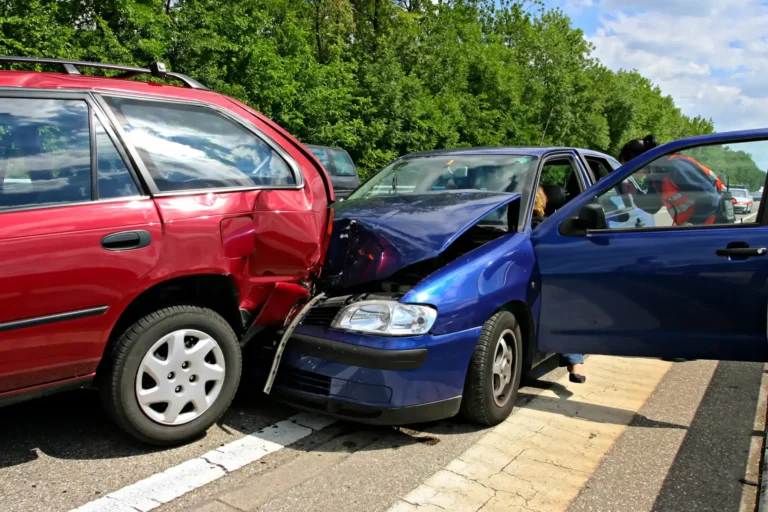
Suli Law Group handles every kind of auto accident and transportation case across Tampa and Florida, from a rear-end crash on I-275 to a rideshare wreck where nobody will say whose insurance applies. Attorney Laura T. Sulisufay started out on the insurance side of these claims, which is why this page tells you what the adjuster already knows. Every case is on contingency: no upfront cost, and no fee unless we win.
Who Pays What After a Florida Crash
Three sources of money exist in most Florida road cases, and they stack in order.
Your own PIP pays first. Florida’s no-fault law requires Personal Injury Protection: up to $10,000, at 80 percent of medical bills and 60 percent of lost income, Fla. Stat. § 627.736. Two catches decide most PIP fights. You must get initial care within 14 days of the crash to keep the benefit, and without an emergency medical condition diagnosis the cap drops to $2,500.
The at-fault driver’s insurer pays next, but only if your injury clears the serious injury threshold in Fla. Stat. § 627.737: significant and permanent loss of an important bodily function, permanent injury, significant and permanent scarring or disfigurement, or death. Pain and suffering lives on this level, and it is where insurers push back hardest.
Your own UM/UIM coverage fills the gap when the at-fault driver carries too little insurance or none at all. In serious crashes, uninsured motorist coverage is often the largest source of recovery on the table, which is why we read your own policy before we value your case.
The Evidence That Wins Road Cases, and How Fast It Disappears
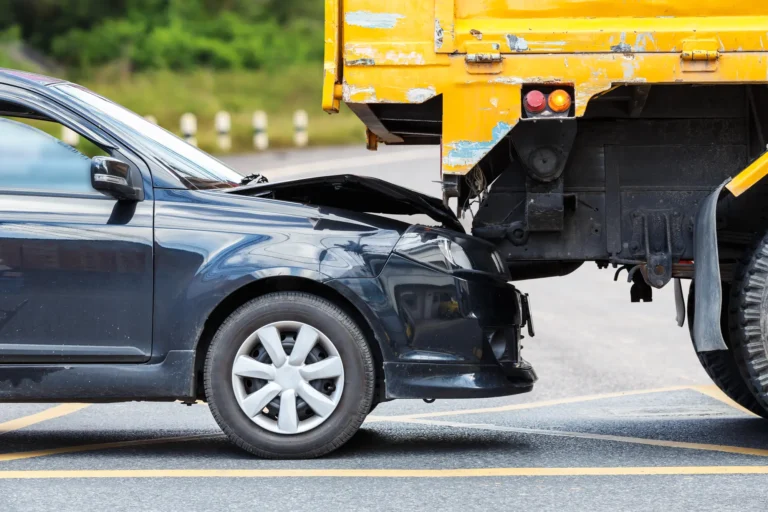
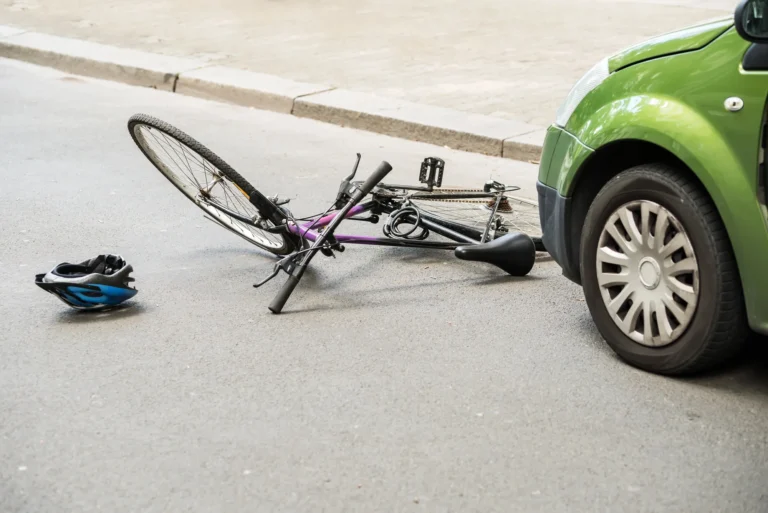
Different crashes leave different evidence, and most of it sits on somebody else’s clock. Passenger cars: vehicle event data, intersection and business cameras, cell phone records where distraction is suspected. Commercial trucks: ELD driving-hours data, dashcam video, dispatch logs, and driver qualification files, which federal rules require and nobody volunteers. Rideshares: trip logs, GPS data, and driver app status, typically obtained by subpoena. Pedestrian and bicycle cases: signal compliance, lighting, and the surveillance systems of every business facing the road. We move on all of it early, with preservation letters where needed, because the alternative is arguing your memory against a company that kept the tapes.
Injuries We See, and When They Change the Category
Road crashes produce a familiar, ugly list: traumatic brain injuries, helmet or not; spinal cord damage; compound fractures and crushed limbs; road rash deep enough to need grafts; internal injuries nobody spots at the scene. Most heal. The ones that don’t are valued on decades instead of bills to date, and they get category-level treatment of their own: see Life-Changing Injuries for how lifetime cases get built.
The Deadline and the Fault Rule
Florida gives you two years to file a lawsuit in most negligence cases, Fla. Stat. § 95.11. And under Fla. Stat. § 768.81, if you are found more than 50 percent at fault, you recover nothing at all. Both rules reward whoever moves first, because fault gets argued with evidence: footage, vehicle event data, witness memory, all of it disappearing by the week.
What Compensation Can Cover
A full claim is bigger than the ER bill:
- Future treatment
- Lost wages and lost earning capacity
- Pain and suffering where the threshold is met
- Vehicle damage and out-of-pocket costs
- Punitive damages when drunk or reckless driving is in the picture
The first number an insurer offers almost never includes the back half of that list.
Frequently Asked Questions
Who pays medical bills after a car accident in Florida?
Your own PIP coverage, regardless of who caused the crash: 80 percent of medical bills up to $10,000, if you got initial care within 14 days, Fla. Stat. § 627.736. Health insurance and the at-fault driver’s coverage come into play after that.
What if the driver who hit me is uninsured or barely insured?
Your own uninsured/underinsured motorist coverage can pay what their policy can’t. Many people don’t know they carry it, or how much. Bring your policy to the consultation and we will tell you exactly what is available.
Should I give the insurance company a recorded statement?
Not the other driver’s insurer, and not before you’ve spoken with a lawyer. Recorded statements exist to lock you into answers before you know the full extent of your injuries.
Can I still recover if I was partly at fault?
Yes, as long as you are not more than 50 percent at fault, Fla. Stat. § 768.81. Your award drops by your share of blame, which is exactly why insurers inflate it, and why we contest it with evidence.
How long do I have to file a lawsuit?
Two years in most Florida negligence cases, Fla. Stat. § 95.11. The useful deadline is shorter: the evidence that wins these cases starts disappearing in the first days.
Can I sue the city or state over a dangerous road or intersection?
Sometimes, yes. Government negligence in road, crosswalk, or signal design can be part of a claim. But suits against government entities carry their own notice rules and extra pre-suit requirements, so those cases punish waiting even more than the usual ones.