











Most people hurt on a property someone else controls talk themselves out of calling. “It was probably my fault. I should have seen it.” The owner’s insurer is counting on exactly that.
Florida law says something different: whoever owns or controls a property owes you reasonably safe conditions, and when they ignore a hazard they knew about, the injury is on them. Suli Law Group handles premises liability cases across Tampa and Florida, and attorney Laura T. Sulisufay defended these exact claims for insurers for years, so the defense playbook is not a mystery here. No upfront cost, and no fee unless we win.
What Is Premises Liability?
Premises liability is the area of Florida law that holds property owners and operators responsible when an unsafe condition on their property injures someone lawfully there. Businesses owe the strongest duty to the customers and guests they invite in, including reasonable precautions against dangers they know about or should know about. A premises case is not about a perfect property. It is about a known danger nobody fixed or warned you about.
What You Have to Prove, and Why Owners Rarely Help
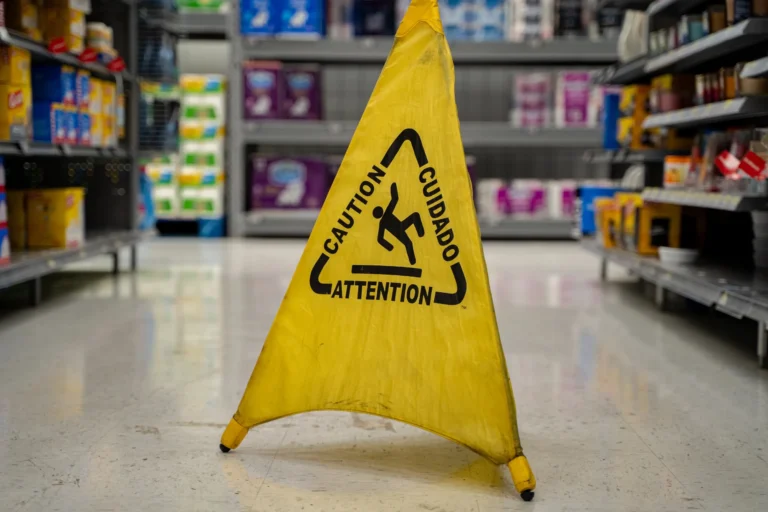
Four things: the owner owed you a duty of care and breached it, and the breach caused your injury and left real damages. In practice, these cases rise or fall on notice, meaning what the owner actually knew or should have. For a fall on a transitory substance in a business, Fla. Stat. § 768.0755 requires proof the business had actual or constructive knowledge of the hazard: it sat there long enough that ordinary care would have found it, or it happened so regularly it was foreseeable. The records that prove notice belong to the owner: inspection logs, maintenance schedules, prior complaints, camera footage. That is why these cases are won by whoever moves first, and why a preservation letter is usually our opening move.
Where These Cases Happen
The addresses repeat: grocery stores and restaurants with spills nobody claimed, apartment complexes with broken gates and locks that never worked, hotels with dark corridors and no cameras where cameras belonged, parking garages, bars and clubs running thin on security staff, gas stations and ATMs where crime was foreseeable, and care facilities running short-staffed shifts. If your injury happened somewhere like this, the owner’s duty question is live and the evidence conversation should start now.
Bites, Attacks, and Facilities: Different Rules, Same Duty
Florida holds dog owners strictly liable under Fla. Stat. § 767.04: no one-bite rule, no ignorance defense, and no warning sign that protects an owner when the victim is a child under six. Negligent security claims hold hotels, apartment complexes, bars, and parking garages responsible when a preventable crime was foreseeable and nothing was done; recent Florida legislation changed how fault is divided in those cases, which makes early strategy matter. And nursing home residents have enforceable rights of their own: Fla. Stat. § 400.023 lets residents and families bring a civil action against the facility’s licensee, its management company, and the caregivers responsible. If you suspect abuse right now, Florida law calls for an immediate report to the Florida Abuse Hotline; make the report, then document what you saw.
The Injuries These Cases Carry
A fall that fractures a wrist or a hip. A bite that punctures deep, scars a child’s face, or turns into MRSA. An assault that leaves PTSD long after the bruises fade. Bedsores and sepsis in a facility that promised care. Premises injuries run from a bad month to a changed life, and the damages we pursue run with them: medical care and future treatment, lost wages, pain and suffering, disfigurement, and mental health treatment where the harm is more than physical.
The Clocks Running on Your Claim
The general filing deadline is two years, Fla. Stat. § 95.11. Claims involving government property carry their own formal notice requirements. Nursing home lawsuits run two years from discovery of the neglect, capped at four years, Fla. Stat. § 400.0236. The evidence deadline is far shorter than any of them: footage and incident paperwork disappear in days, not years.
Frequently Asked Questions
The fall was partly my fault. Do I still have a case?
Often, yes, as long as you are not more than 50 percent at fault, Fla. Stat. § 768.81. “Open and obvious” is an argument, not a ruling, and carriers lean on comparative fault precisely because it shrinks payouts. The argument weakens fast when the evidence shows the owner knew about the danger and did nothing.
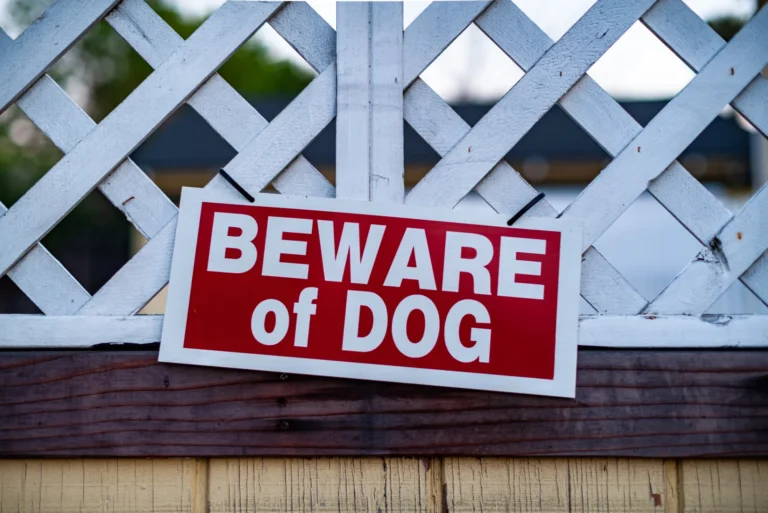
Does a "Beware of Dog" sign get the owner off the hook?
Not against a child under six, ever, and not when the owner’s own negligence caused the injury, Fla. Stat. § 767.04. For adult victims a prominently posted sign that includes the words “Bad Dog” can limit liability, which is why the facts of where and how the bite happened matter so much.
Who can be liable besides the property owner?
Often several parties at once: the business leasing the space, the management company hired to maintain it, a landlord who knew about a dangerous dog, or a facility’s corporate operators. We identify every policy in play, because one defendant is rarely the full recovery.
What if it happened on government property, like a public sidewalk or building?
You may still have a case, but the rules change: claims against government entities carry their own notice rules and extra pre-suit requirements. Those cases punish waiting more than any other premises claim, so call early.
Can you sue a nursing home in Florida?
Yes. Fla. Stat. § 400.023 gives residents and their families a civil action against the facility’s licensee, its management company, and the caregivers responsible, generally within two years of discovering the neglect, Fla. Stat. § 400.0236. Our Nursing Home Negligence page covers the warning signs and how these cases work.
What should I do if I suspect nursing home abuse right now?
Call the Florida Abuse Hotline immediately, get your loved one medically checked, and start documenting: dates, photos, names, what staff said. Then call an attorney, because the evidence inside a facility does not preserve itself.