















Before you call anyone, find three documents: your policy (the declarations pages will do), the insurer’s estimate or denial letter, and your contractor’s estimate. The gaps between them are usually the case.
Suli Law Group represents policyholders across Tampa and Florida in property insurance claims: the storm, the burst pipe, the fire, the mold behind the wall, and the carrier that suddenly can’t find coverage for any of it. Laura T. Sulisufay worked on the carrier side for years and has read the reports these denials get built on. Some are honest. Plenty are written backward from the answer. No upfront cost, and no fee unless we win.
Every Deadline on One Table
| Whose deadline | Action | Time limit | Statute |
|---|---|---|---|
| Yours | Give the insurer notice of the claim | 1 year from the date of loss | Fla. Stat. § 627.70132 |
| Yours | File any supplemental claim | 18 months from the date of loss | Fla. Stat. § 627.70132 |
| Yours | Serve pre-suit notice of intent | At least 10 business days before suing | Fla. Stat. § 627.70152 |
| Yours | File a lawsuit | 5 years from the date of loss | Fla. Stat. § 95.11 |
| Theirs | Acknowledge your claim | 7 days | Fla. Stat. § 627.70131 |
| Theirs | Inspect a residential loss | 30 days from proof of loss | Fla. Stat. § 627.70131 |
| Theirs | Pay or deny | 60 days | Fla. Stat. § 627.70131 |
Miss yours, and the claim can die on lateness alone; late notice is the easiest denial a carrier ever writes. When they miss theirs, statutory interest can run and a bad faith case can start to build. Most policyholders never enforce the bottom half of this table. We do, in writing, from the first letter.
How Florida Property Claims Get Denied in Practice
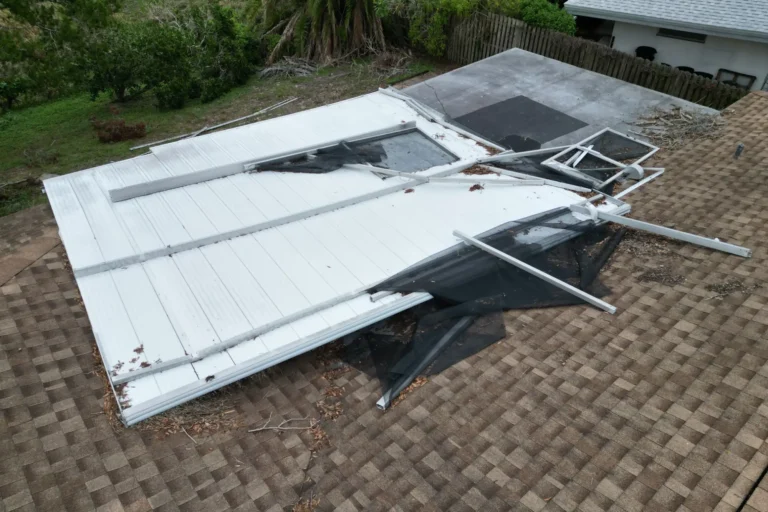
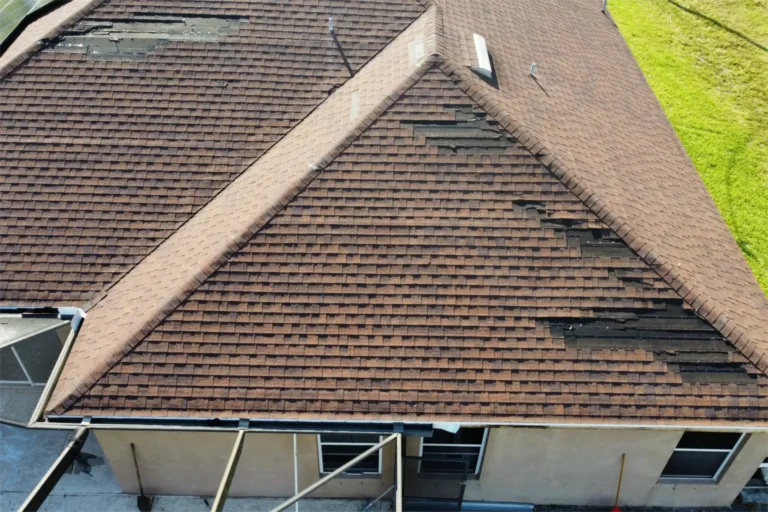
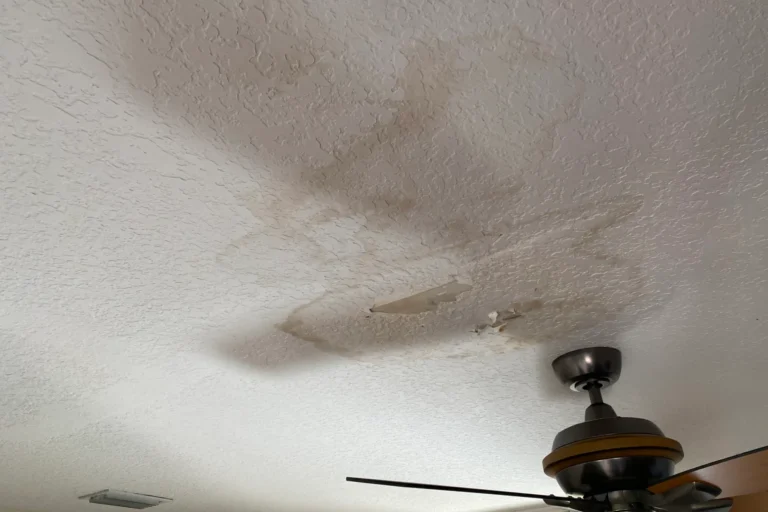
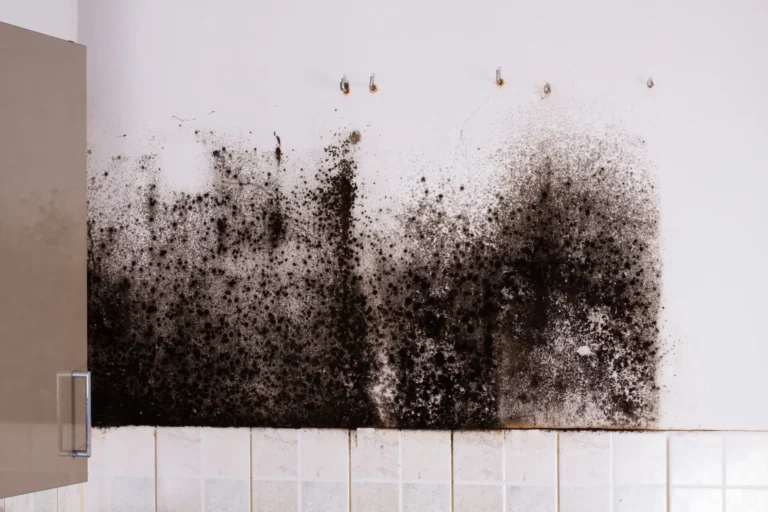
The denial letters rhyme. Storm claims turn into arguments over wind versus flood, because standard homeowner policies exclude flood and covering it takes a separate NFIP or private policy. Roof claims draw engineering reports blaming age and wear, plus separate hurricane deductibles and cosmetic-damage exclusions. Water claims get sorted into sudden-and-accidental, which is covered, versus long-term seepage, which policies typically exclude as maintenance (some after just 14 days), and the sorting is not always honest. Mold claims hit a sublimit, commonly $10,000 unless you bought an endorsement, that carriers try to stretch over the entire water loss. Fire claims get slow-walked with demands for receipts nobody keeps after a total loss and living-expense cutoffs before you’re back home. And any claim can die on late notice, which is why the one-year clock in the table above outranks everything else on this page. Each claim page above shows how we fight back.
When a Slow Claim Becomes a Bad Faith Case
Florida gives policyholders a path when a carrier’s conduct goes past hard bargaining: a formal Civil Remedy Notice filed through the state, a 60-day window for the insurer to cure, and exposure beyond the policy limits if it doesn’t. Recent reforms added prerequisites, so the sequencing matters. The Denied, Delayed, or Underpaid Claims page walks through it. The practical takeaway here: keep every letter, log every missed deadline, and let us build that record while the claim is still live.
Protect the Claim While It's Pending
Your policy requires reasonable steps to prevent further damage: tarping, drying, water extraction. Do them, and keep every receipt, because reasonable mitigation costs are reimbursable and skipping them hands the carrier a defense. Photograph and video everything before and after emergency repairs. And don’t accept a first check as final before the full scope of damage is known; hidden water, mold, and structural problems surface weeks later, and they are part of the same claim.
What a Full Claim Includes
More than the first estimate suggests:
- Full structural repair or replacement
- Code upgrades
- Personal property and contents
- Additional living expenses while you're displaced
- Mold remediation within the policy's terms
- Recoverable depreciation
Carriers pay the categories you document and fight the ones you don’t, which is why the file we build is bigger than the one they expect.
Frequently Asked Questions
How long do you have to file a property insurance claim in Florida?
One year from the date of loss for the initial claim, 18 months for a supplemental claim, Fla. Stat. § 627.70132, and 5 years from the date of loss to file suit. If you read “two years” somewhere, that was the rule before Florida’s December 2022 reforms; a lot of older articles still carry it.
My claim was already denied. Is that final?
No. A denial, a lowball check, or months of silence is a position, not a final answer. We regularly review denied and closed claims for misapplied exclusions, undervalued scopes, and missed insurer deadlines, and the deadlines table above is the first thing we check.
Do I have to make repairs before I get paid?
You have to prevent further damage, not rebuild. Reasonable mitigation like tarping and drying is required and reimbursable; document what you spend. Skipping mitigation gives the carrier a defense to the damage that follows.
Does homeowners insurance cover flood damage in Florida?
No. Standard homeowners policies exclude flood; covering it takes a separate NFIP or private flood policy, which is exactly why carriers push storm damage into the flood column. Which policy responds, and who decides, is half the fight in hurricane claims.
What deadlines does the insurance company have on my claim?
Acknowledge within 7 days, inspect a residential loss within 30 days of your proof of loss, then pay or deny within 60 days, Fla. Stat. § 627.70131. When a carrier blows through those, the law starts working for you.
What will hiring Suli Law Group cost me?
Nothing upfront. We work on contingency: you get everything in writing first, and we are paid only out of what we recover for you.